
Category: PHENOM in the News
-
PHENOM’s Executive Director in the BU Daily Free Press
http://dailyfreepress.com/2016/09/26/senator-warren-proposes-reforming-higher-education-accreditation/
-
MassLive: 2 forums next week for 3rd Hampshire District state representative candidates
MassLive plugged our Forum on Public Higher Education for the Candidates for State Representative in the 3rd Hampshire District happening Thursday August 11th from 5-7PM at the UMass Campus Center […]
-
Board Member Max Page with Dan Clawson in the Boston Globe — “The end of tuition”
JUST AS surely as the sun rises on Provincetown and sets on Pittsfield, tuition and fees are again rising for students at public colleges and universities in Massachusetts. Students will […]
-
Board Member Max Page in Letter to the Telegram & Gazette — “UMass budget op-ed got it wrong”
Check out the article here.
-
PHENOM Board Member Max Page in the
PHENOM Board Member Max Page in a Letter to the Editor of the Herald News: If Jim Stergios and Greg Sullivan (“Time for UMass to implement needed fiscal reforms“) wrote […]
-
PHENOM’s Executive Director in the Boston Globe, “Is Hillary Clinton’s Tuition Plan Doable?”
PHENOM’s Executive Director in the Boston Globe, “Is Hillary Clinton’s Tuition Plan Doable?”: Advocates agreed, saying the plan would ease a crushing financial burden on young people, even if it […]
-
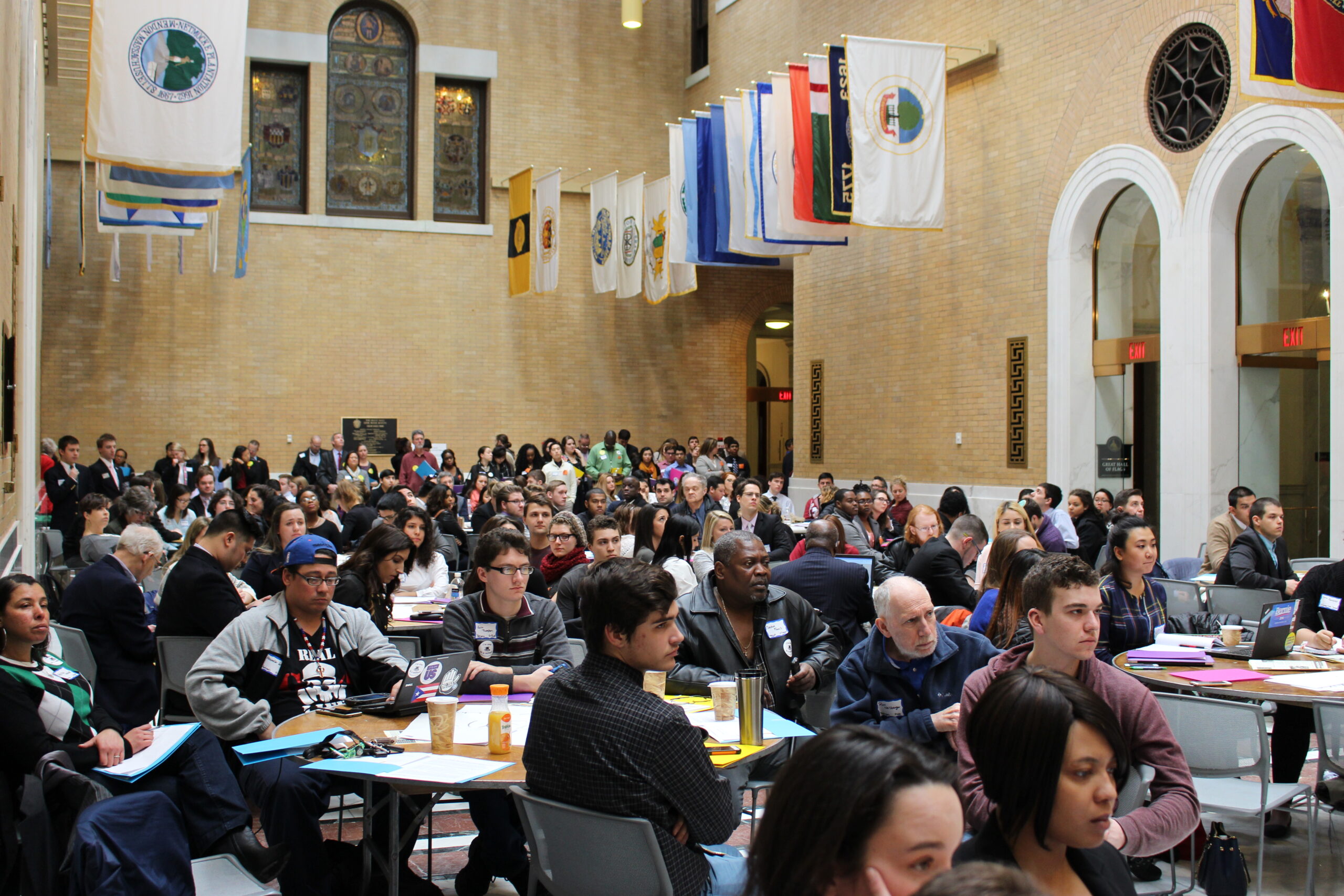
Thank you for a PHENOMenal Public Higher Education Advocacy Day!
We cannot thank everyone enough for making Public Higher Education Advocacy Day 2016 truly PHENOMenal. Hundreds of students, staff, faculty, administrators, and legislators packed the Great Hall of Flags. We […]
-
Coverage of Fair Share Amendment Rally, Exploring the Geography of Student Debt Event, and only THREE more days to meet our Challenge! Will you help us get there?
One week into our 10 Days to $10K Challenge, you’ve raised more than $3,600. That means we’re less than $1,400 from meeting our $5,000 match — doubling our fundraising. Help […]
-
PHENOM’s Executive Director Testifies for More Affordable and Accessible Public Higher Education
Amongst the dozens of people who crammed into a room at the State House to testify about higher education bills Wednesday, one demographic was noticeably absent — students. Still, Natalie […]
-
Max Page: Free public higher education is within state’s reach (in the Daily Hampshire Gazette)
PHENOM Board Member Max Page wrote a letter to the editor about the rising costs of public higher education and the need for a real push to make public higher […]